
Meet Coach Mike
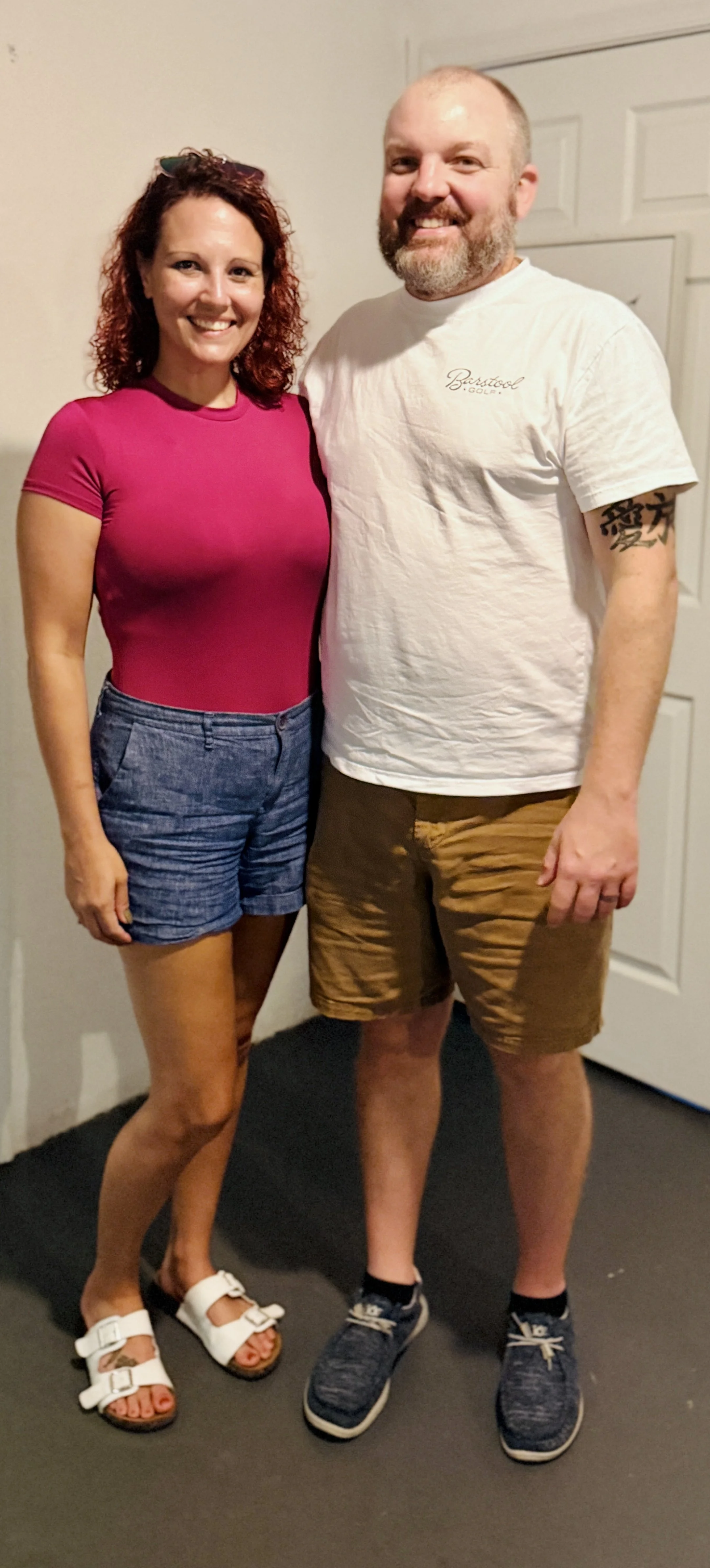
Michael “Coach Mike” Iser is the founder of Main Event Mindset and a lifelong member of the Western Maryland sports community.
Born and raised in Cumberland, Maryland, Mike grew up playing sports and began coaching at age 20. Since then, he has coached multiple sports across a wide range of ages and competition levels. He is also the parent of athletes, giving him firsthand experience with sports from three important perspectives: player, coach, and parent.
Through those roles, Mike repeatedly saw talented, hardworking athletes struggle with the parts of competition they had never been taught how to manage—pressure, mistakes, frustration, negative self-talk, changing expectations, and lost confidence. He also saw how difficult it could be for parents and coaches to know what to say, when to step in, and how to provide support without unintentionally adding more pressure.
Mike’s approach is practical, honest, and focused on real situations. He doesn’t expect athletes to stop feeling nervous, frustrated, disappointed, or overwhelmed. Instead, he helps them understand those reactions and develop tools for responding, resetting, and moving forward.
Outside of Main Event Mindset, Mike is a medically retired correctional officer. He currently works at a medical cannabis facility and in the golf shop at Rocky Gap, where he continues pursuing his goal of becoming a carded golf professional and club fitter.
Mike lives in Cumberland with his wife, Heather, their two children, their Great Dane, Nani, and two cats with very different personalities. When he finds some actual free time, he enjoys golfing, traveling, and spending time with family and friends.
Through Main Event Mindset, Mike works with athletes, parents, coaches, families, teams, schools, clubs, and athletic organizations. His goal is to help build stronger competitors, healthier support systems, and people who are better prepared for whatever comes next—both in sports and beyond them.
Main Event Mindset offers virtual coaching as well as in-person services in Western Maryland when location and availability allow.
Short Memory. Big Confidence. Be a Goldfish.

One mistake doesn't define an athlete.
One bad game doesn't erase the work.
One difficult moment doesn't determine what happens next.
The next play is always your best opportunity.
Short Memory. Big Confidence. Be a Goldfish.
The Game That Changed Everything
Mike's son's team had just earned a hard-fought win. It should have felt like a victory.
Instead, Mike looked around and saw teenage boys with their heads hanging as though they had lost.
Although he was no longer coaching the team, Mike had coached many of those players before and knew them well. As he talked with them after the game, it became clear that the final score wasn't telling the whole story.
Some were stuck on mistakes they'd made. Others were frustrated with their own performance. Some were carrying the pressure of the game or focusing on what they believed they should have done differently.
They had won the game, but many of them couldn't feel the win.
That stayed with Mike.
During the two-hour drive home, an idea he'd struggled to define finally came together. He knew he wanted to continue helping athletes beyond his years of traditional coaching. Now he understood what that could look like.
Athletes didn't need another person simply telling them to shake it off, stop thinking about it, or be more confident.
They needed to learn how.
That drive home became the beginning of Main Event Mindset.
More Than the Score
Main Event Mindset helps athletes develop practical mental-performance skills they can carry into practices, competition, and life—building confidence, responding to pressure, developing healthier self-talk, recovering after mistakes, and learning to focus on what comes next.
The work also extends beyond athletes. Parents, coaches, teams, athletic programs, and others who influence an athlete's environment can play an important role in developing confidence, accountability, communication, and resilience.
The goal isn't perfection. Athletes will make mistakes. Coaches will have difficult moments. Parents won't always know the perfect thing to say.
What matters is what happens next.